
Published Wed Aug 05 2026
What Actually Adds Value to Your Trade-In?
If you're thinking about upgrading your vehicle, one of the first questions you'll probably ask is, "How can I get the most for my trade-in?"
Many people assume that adding accessories or spending thousands on modifications will significantly increase their car's value. In reality, buyers and dealerships tend to focus on something much simpler: the vehicle's overall condition and how well it's been maintained.
Here are the factors that genuinely add value to your trade-in.
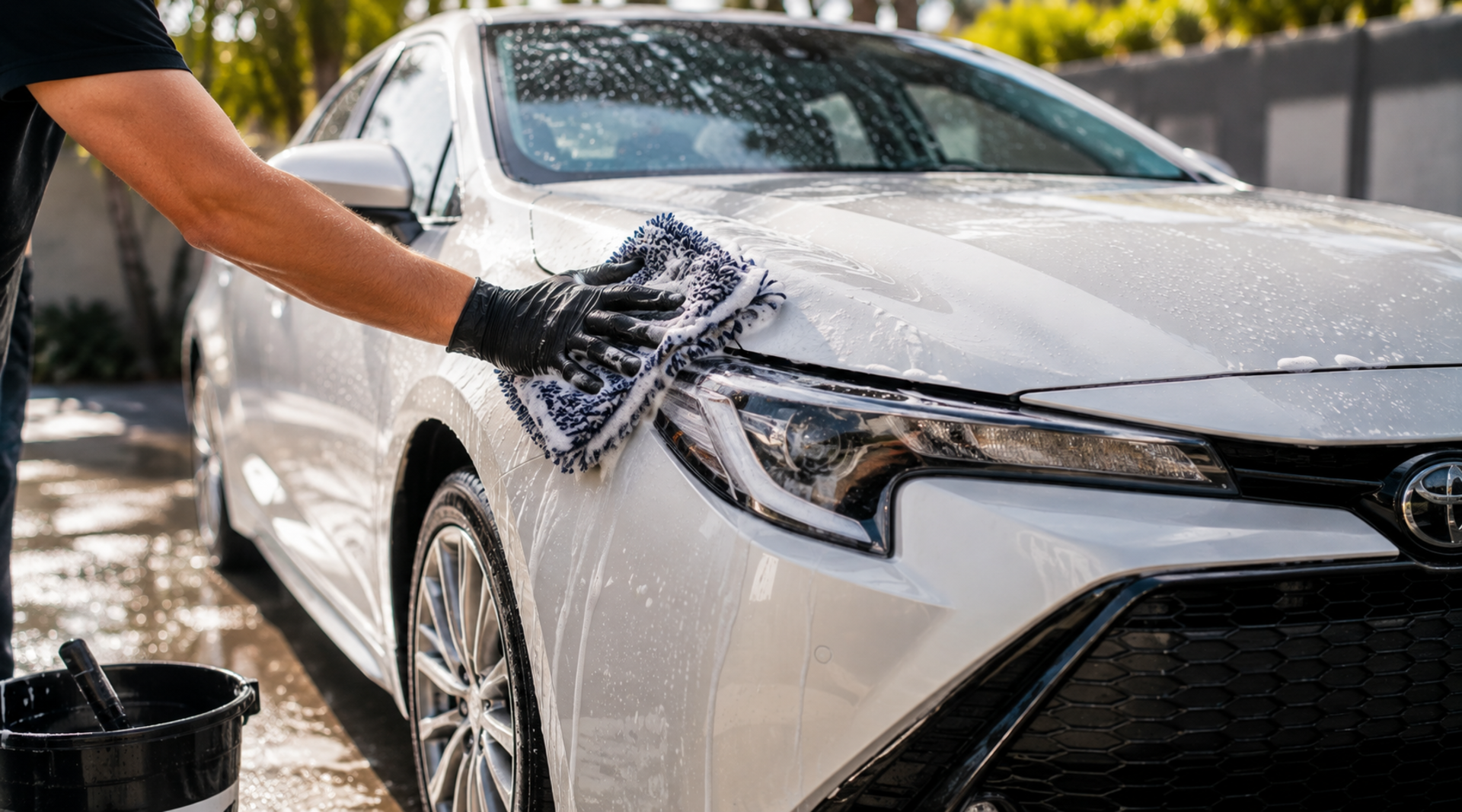
1. Paint and Body in Good Condition
First impressions count.
A vehicle with clean paintwork and minimal dents, scratches or panel damage will generally attract a higher trade-in value than one showing signs of neglect.
Before having your car appraised:
- Clean and wash the exterior.
- Remove any stickers or adhesive residue.
- Repair minor cosmetic damage if it's cost-effective.
A well-presented vehicle gives buyers confidence that it has been looked after.
2. A Clean, Damage-Free Interior
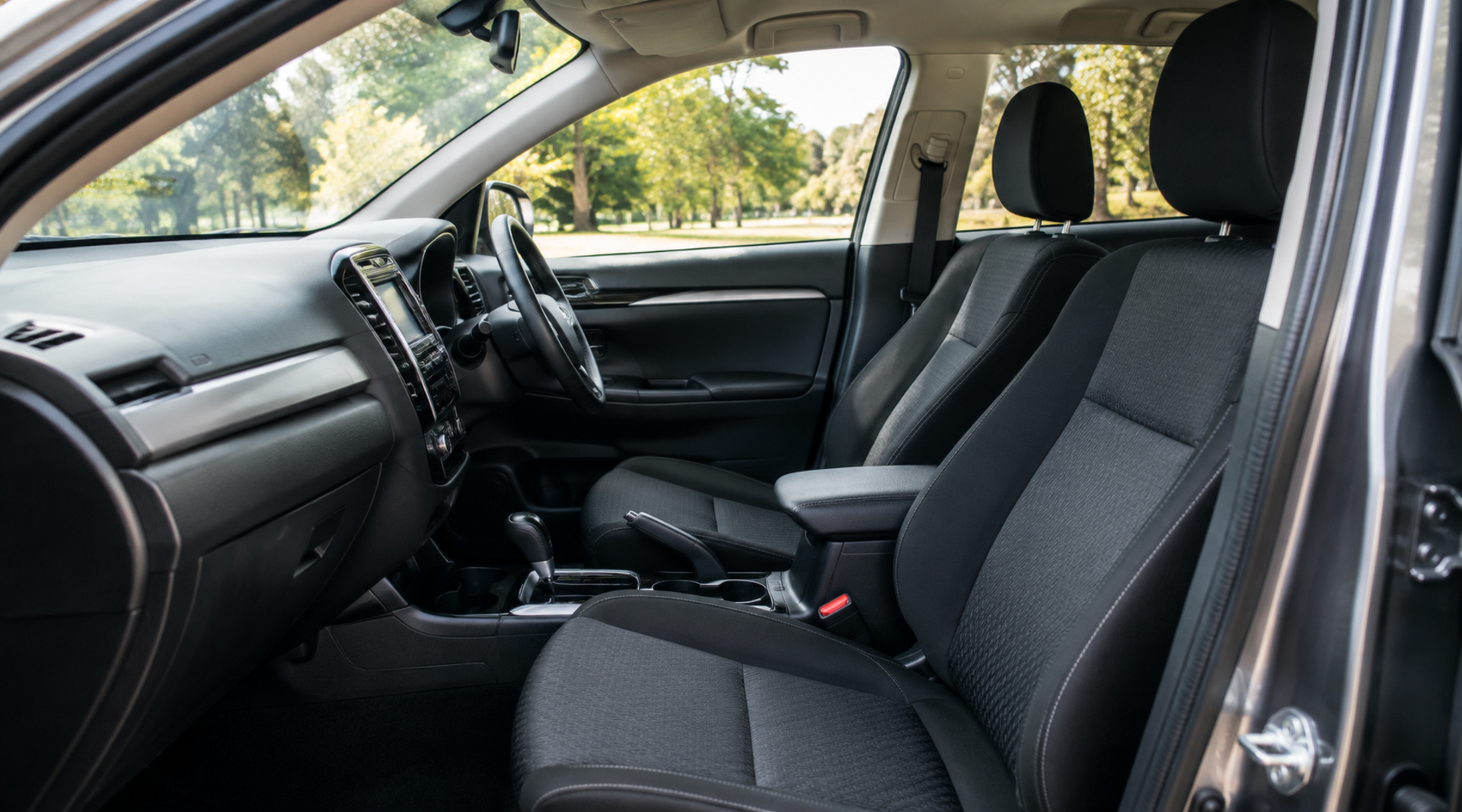
The condition of your interior can make just as much of an impression as the exterior.
Dealers will look for:
- Clean seats and carpets
- No stains or unpleasant odours
- Minimal wear on the steering wheel and controls
- No tears, burns or damaged trim
A tidy interior suggests the vehicle has been cared for throughout its life.
3. A Full Service History
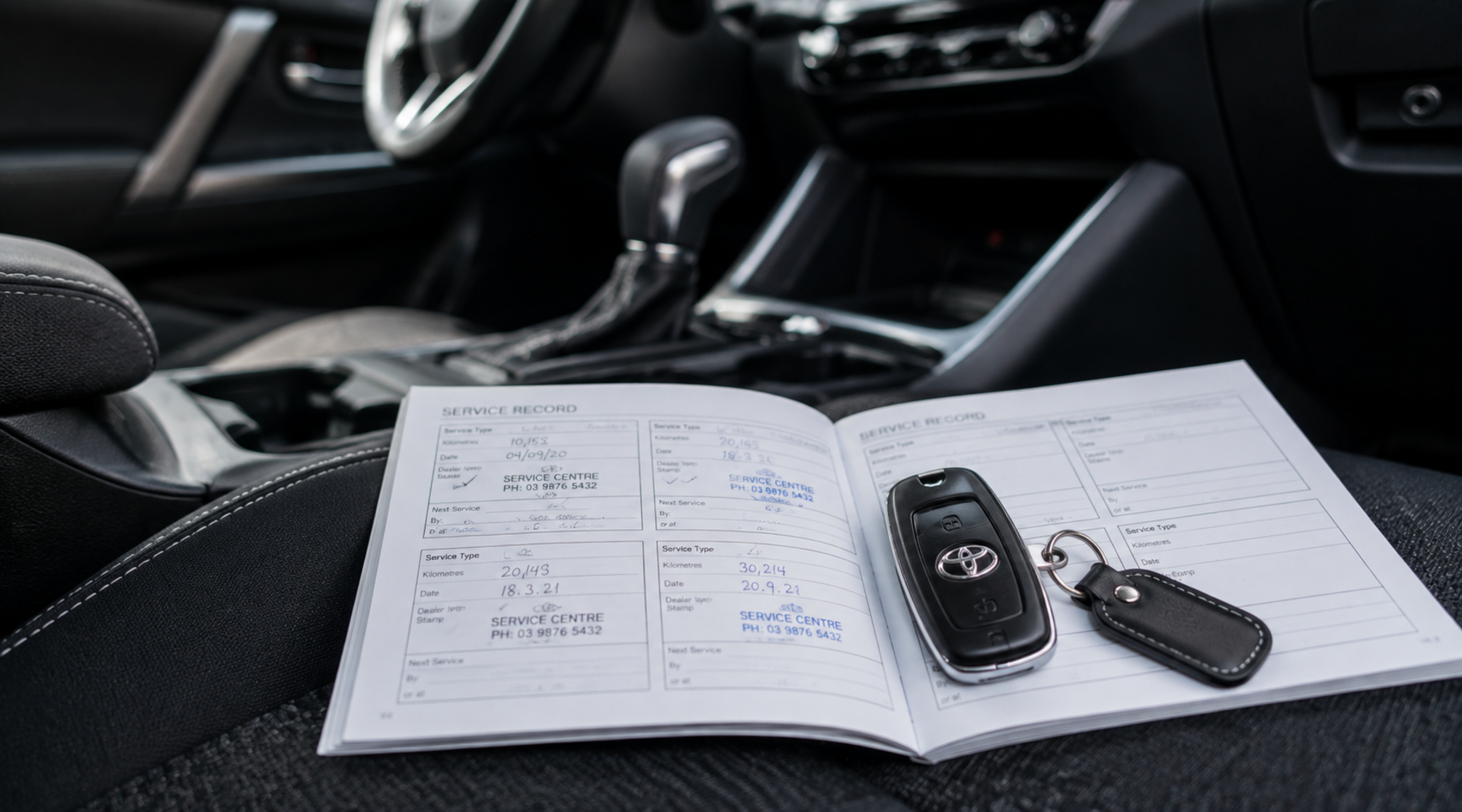
One of the biggest value-adds is a complete service history.
A well-documented maintenance record shows that the vehicle has been serviced regularly and according to the manufacturer's recommendations.
Keep records of:
- Scheduled services
- Major repairs
- Replacement tyres
- Battery replacements
- Brake or suspension work
Having these documents available can increase buyer confidence and make your vehicle more appealing.
4. Still Within Its Factory Warranty
If your vehicle is still covered by its original manufacturer's warranty, it can be a major selling point.
A remaining factory warranty offers peace of mind to the next owner and can make your vehicle stand out from similar models of the same age.
Even if only part of the warranty remains, it's worth mentioning during your appraisal.
5. No Mechanical Faults
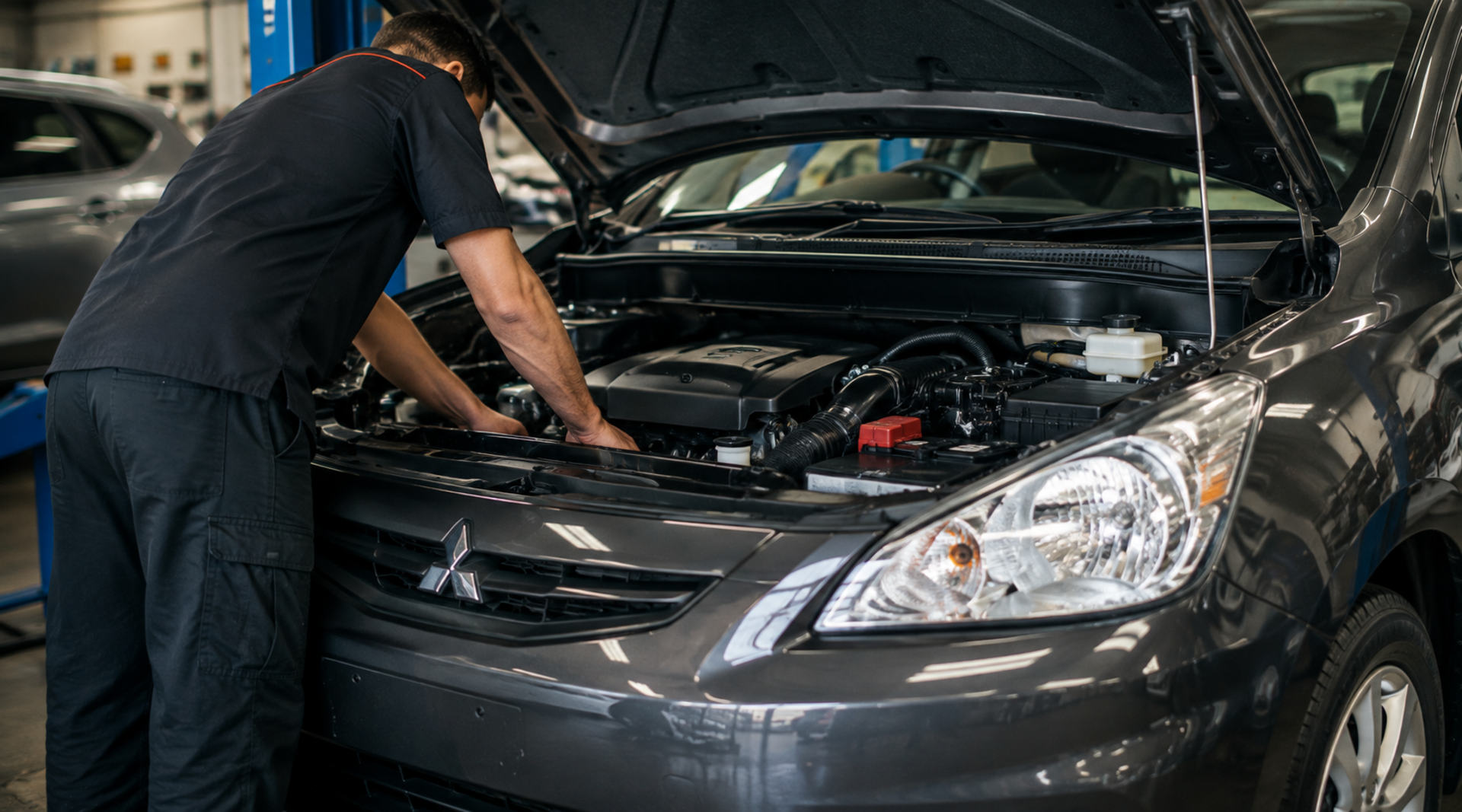
A mechanically sound vehicle will almost always achieve a better trade-in price.
Issues such as warning lights, unusual engine noises, suspension problems or worn brakes may need to be repaired before the vehicle can be resold, which can reduce its trade-in value.
If your car drives well and doesn't require immediate repairs, it's likely to be viewed more favourably.
Do Accessories Increase Trade-In Value?
This is one of the biggest misconceptions when trading in a vehicle.
In most cases, accessories don't significantly increase your trade-in value. While you may have spent thousands of dollars personalising your car, those additions don't always increase its market appeal.
Examples include:
- Aftermarket wheels
- Custom stereos
- Interior lighting
- Cosmetic body kits
- Window decals
These modifications often reflect personal taste rather than broad buyer demand.
When Accessories Can Add Value
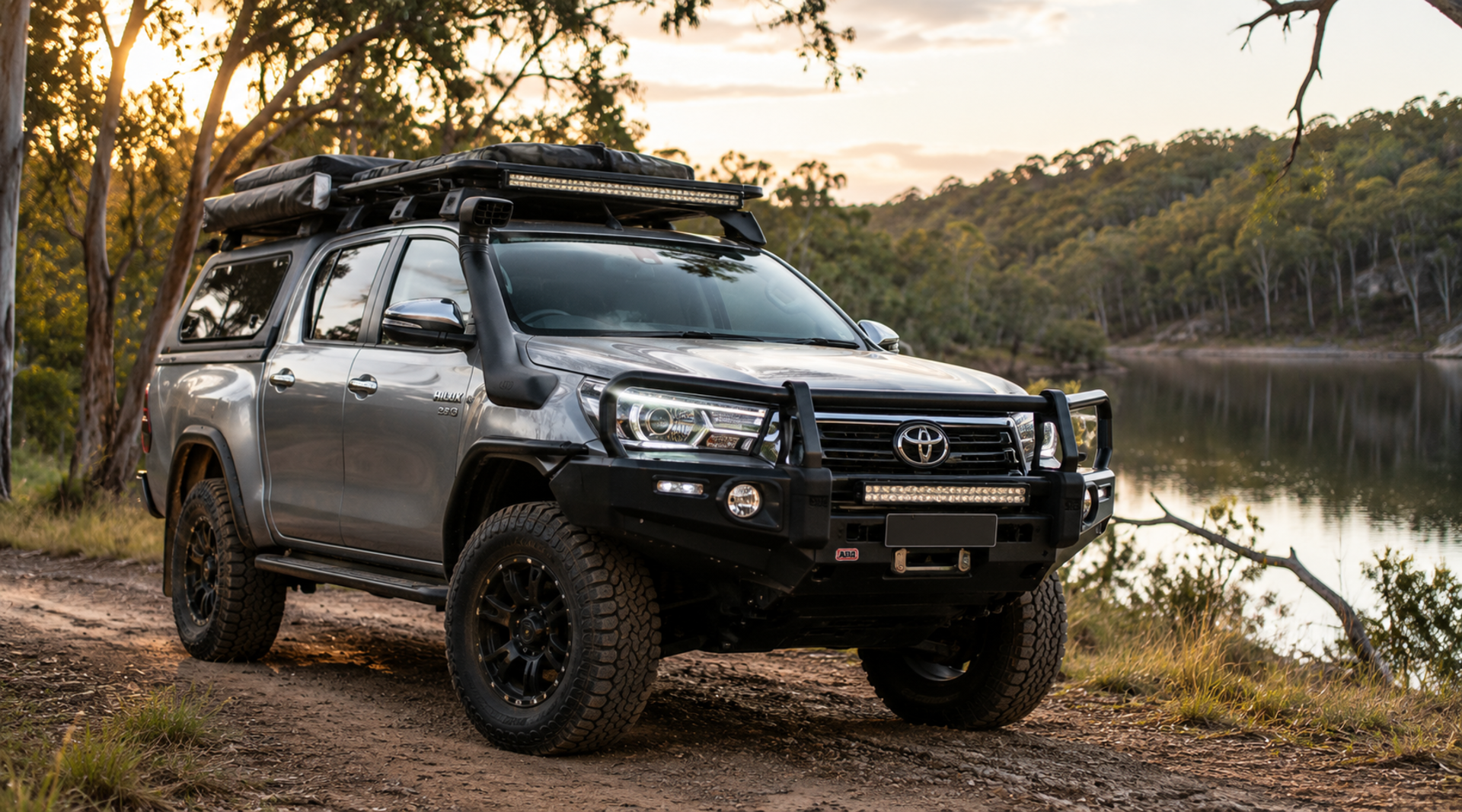
There are some exceptions—particularly when it comes to well-equipped four-wheel drives.
Desirable 4x4 accessories that may add value include:
- Bullbars
- Canopies
- Snorkels
- UHF radios
- Roof racks
- Quality towing equipment
- Long-range fuel tanks
- Reputable suspension upgrades
These accessories are often sought after by buyers because they enhance the vehicle's capability and can save the next owner money.
The key is that the accessories should be high quality, professionally fitted and relevant to the type of vehicle.
Small Things That Make a Difference
Before bringing your vehicle in for an appraisal, it's worth spending a little time preparing it.
Simple steps include:
- Giving it a thorough wash and vacuum
- Removing personal belongings
- Replacing missing floor mats if practical
- Bringing both keys
- Gathering your service records and owner's manuals
These small details can help create a positive first impression.
Final Thoughts
Maximising your trade-in value is less about adding lots of aftermarket accessories and more about taking good care of your vehicle throughout its life. A car with well-maintained paint, a clean interior, a full service history, no mechanical faults and any remaining factory warranty will generally be more appealing to both dealerships and future buyers.
One worthwhile exception is paint protection. If your vehicle has been professionally treated with a quality paint protection product and the paintwork has been well maintained, it can help preserve a deep, glossy finish and protect against everyday environmental damage. A vehicle that still presents exceptionally well years after purchase can leave a strong first impression and may positively influence its overall value.
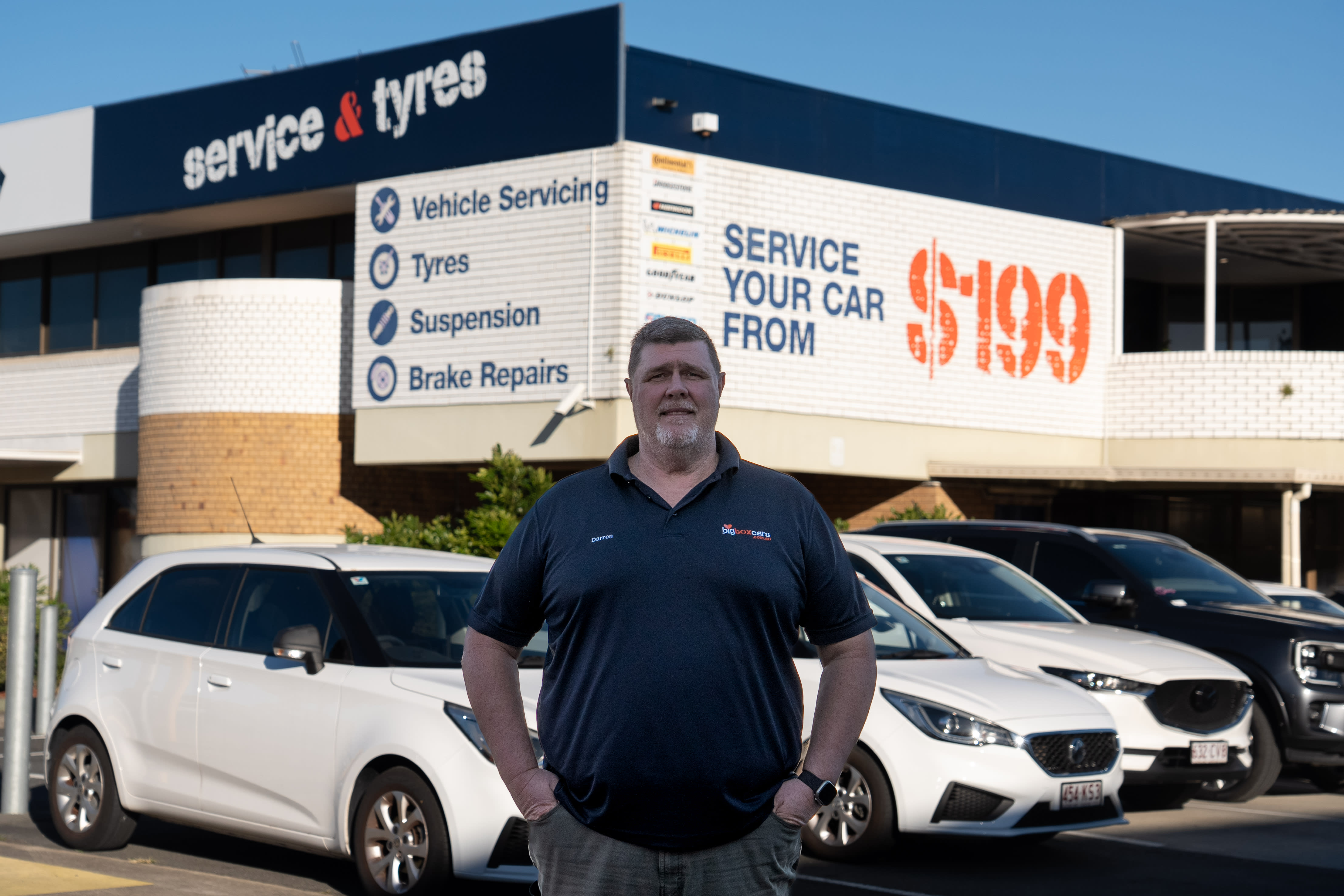
At Big Box Cars, we assess every trade-in fairly based on its condition, history and current market demand. If you're thinking about upgrading, bring your vehicle in for an appraisal or get in touch with our team to find out what it could be worth.
Featured News





Choose.Buy.Enjoy
A better way to buy and sell used cars.