Tyres Explained: What the Numbers Mean and When to Replace Them
Posted in Bigbox Service Tips
Published Thu Jan 29 2026
Tyres Explained: What the Numbers Mean and When to Replace Them
Buying new tyres can feel a bit like trying to crack a secret code. You’re staring at a sidewall full of numbers, letters, and symbols, while a salesperson asks if you want the "performance compound" or the "all-rounder."
At Big Box Cars, we want you to feel confident every time your rubber hits the Queensland roads. Here is your plain-English guide to understanding those sidewall markings and knowing exactly when it’s time to swap them out.
Cracking the Code: What Do Those Numbers Mean?
If you look at the side of your tyre, you’ll see a string of numbers that looks something like this: 205 / 55 R 16 91V.
It’s not just random gibberish it’s the "DNA" of your tyre. Here is the breakdown:
· 205 (Width): The width of the tyre in millimetres from sidewall to sidewall.
· 55 (Aspect Ratio): The height of the sidewall as a percentage of the width. In this case, the height is 55% of 205mm.
· R (Construction): Stands for "Radial" the standard construction for almost every modern passenger car.
· 16 (Wheel Diameter): The size of the wheel rim in inches.
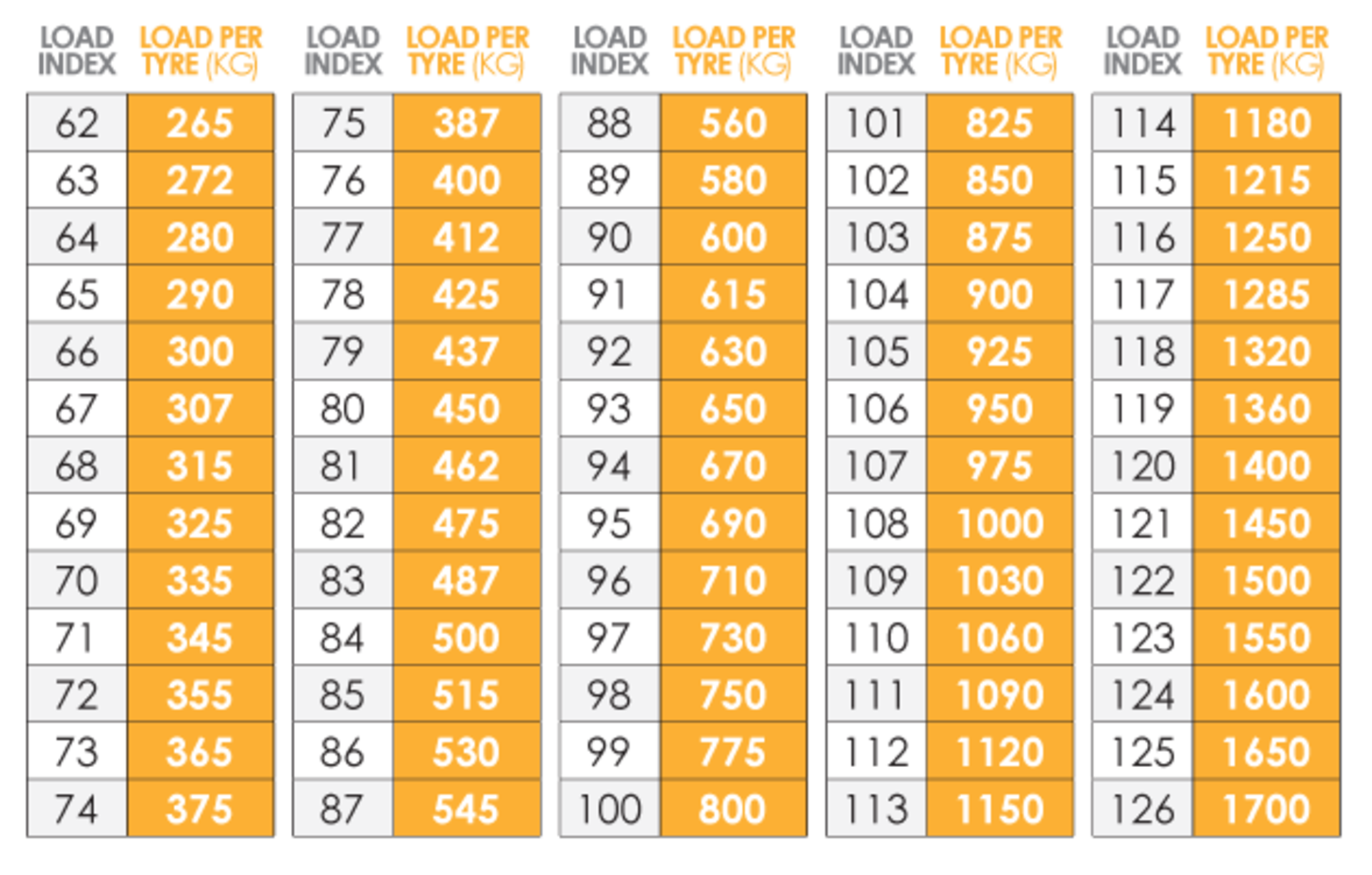
· 91 (Load Index): A numerical code that tells you the maximum weight the tyre can safely carry.
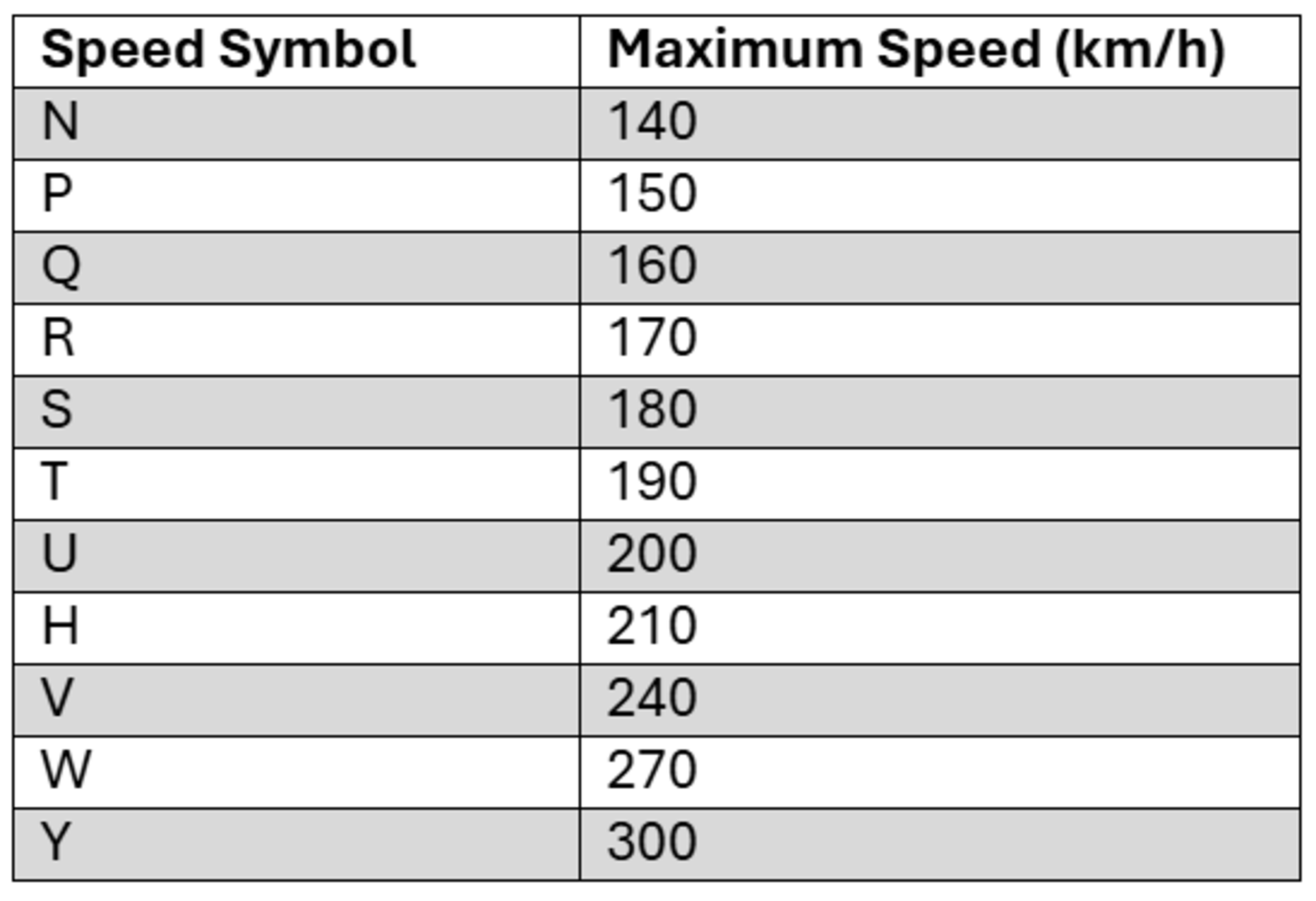
· V (Speed Rating): A letter indicating the maximum speed the tyre is designed to maintain.
When Should You Replace Your Tyres?
Even if you aren't a "car person," there are three easy ways to tell if your tyres are past their prime:
1. The Tread Depth (The 1.5mm Rule)
In Australia, the legal minimum tread depth is 1.5mm. However, for safety in the wet, most experts recommend replacing them once they drop below 3mm.
- The Test: Look for the Tread Wear Indicators (small bumps inside the grooves). If the rest of the tyre is flush with these bumps, you are at the legal limit and need a change immediately.
2. The "Age" Factor
Tyres are made of rubber, and rubber perishes over time even if you don't drive much. If your tyres are more than 5 to 6 years old, they can develop "dry rot" or cracks.
Pro Tip: Look for a four-digit number on the sidewall (e.g., 1224). This means the tyre was made in the 12th week of 2024. If that number starts with a "18" or lower, it's time for an inspection.
3. Visible Damage
Check for bulges, bubbles, or deep cuts in the sidewall. These are often caused by hitting a pothole or a kerb and can lead to a dangerous blowout at high speeds.
And Understanding Your Speed Rating
While we rarely hit the upper limits on the Bruce Highway, your tyre’s Speed Symbol is a critical safety rating that indicates the maximum speed the tyre can safely maintain under its recommended load. This rating is represented by a letter at the end of your tyre code, with common symbols ranging from N (140 km/h) for some heavy-duty vehicles up to Y (300 km/h) for high-performance sports cars. For most daily drivers in Australia, you’ll typically see an H (210 km/h) or V (240 km/h) rating. It is vital to ensure your replacement tyres meet or exceed the speed rating specified by your car's manufacturer to maintain optimal handling and safety.
Why Does All Of This Matters
Your tyres are the only thing connecting your car to the road. Correct tread and pressure don't just keep you legal; they improve your fuel economy, make your car quieter, and most importantly drastically reduce your braking distance in an emergency.
Not sure if your tyres are up to scratch? Swing by Big Box Cars for a quick check. We’ll help you decode your sidewalls and ensure you’re rolling on rubber you can trust.










Choose.Buy.Enjoy
A better way to buy and sell used cars.