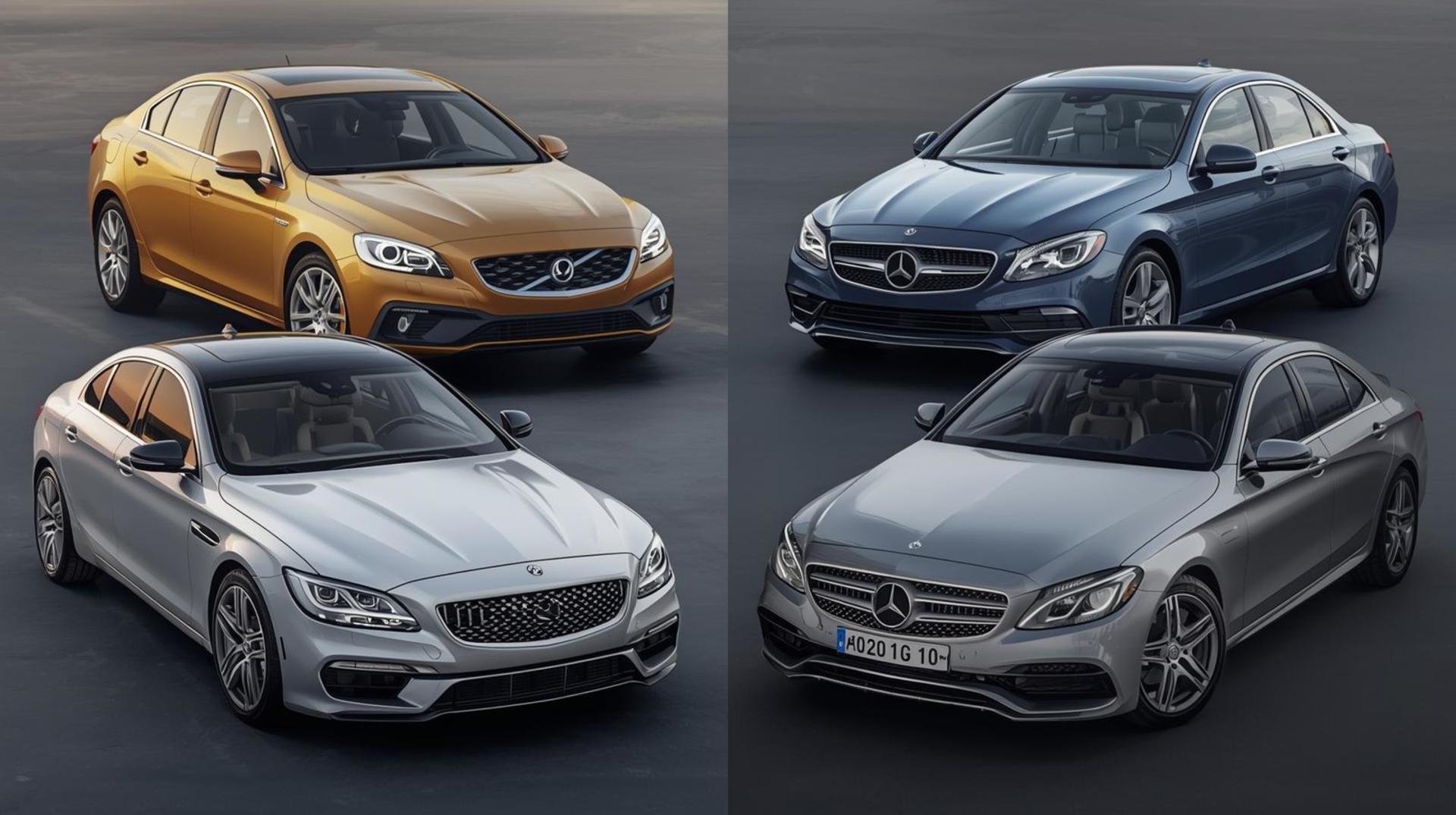
What Impact the Value Car Over Time?
Published Thu Jan 22 2026
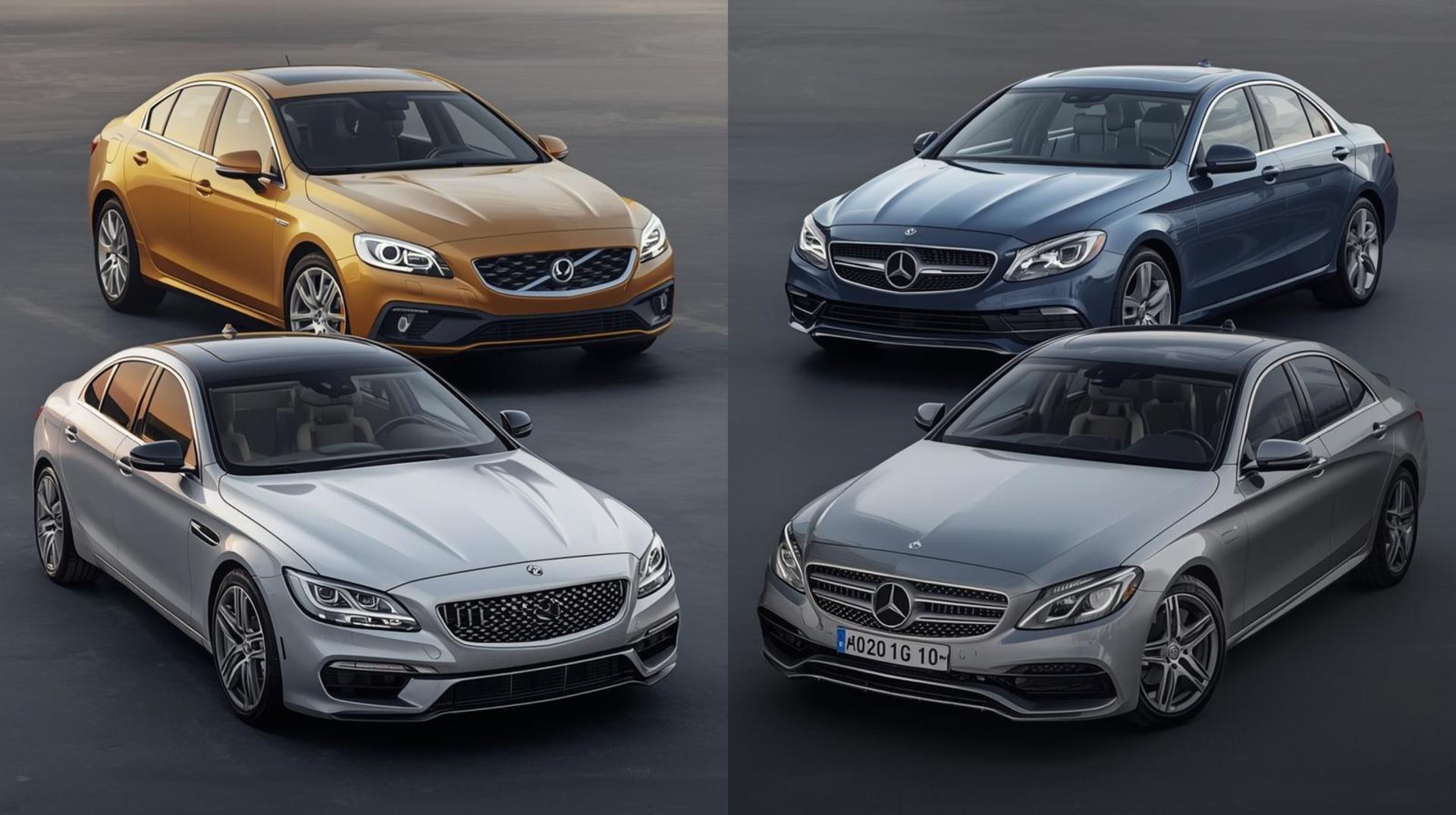
What Impact the Value Car Over Time?
Whether you’re driving a rugged 4x4 through the Queensland outback or a zippy hatchback through the streets of Brisbane, one thing is certain: from the moment you drive a car off the lot, its value begins to change.
At Big Box Cars, we believe in transparency. Understanding what drives the market value of your vehicle isn't just for when you're ready to sell, it’s about protecting your investment while you own it. Here are the key factors that impact your car’s value over time.
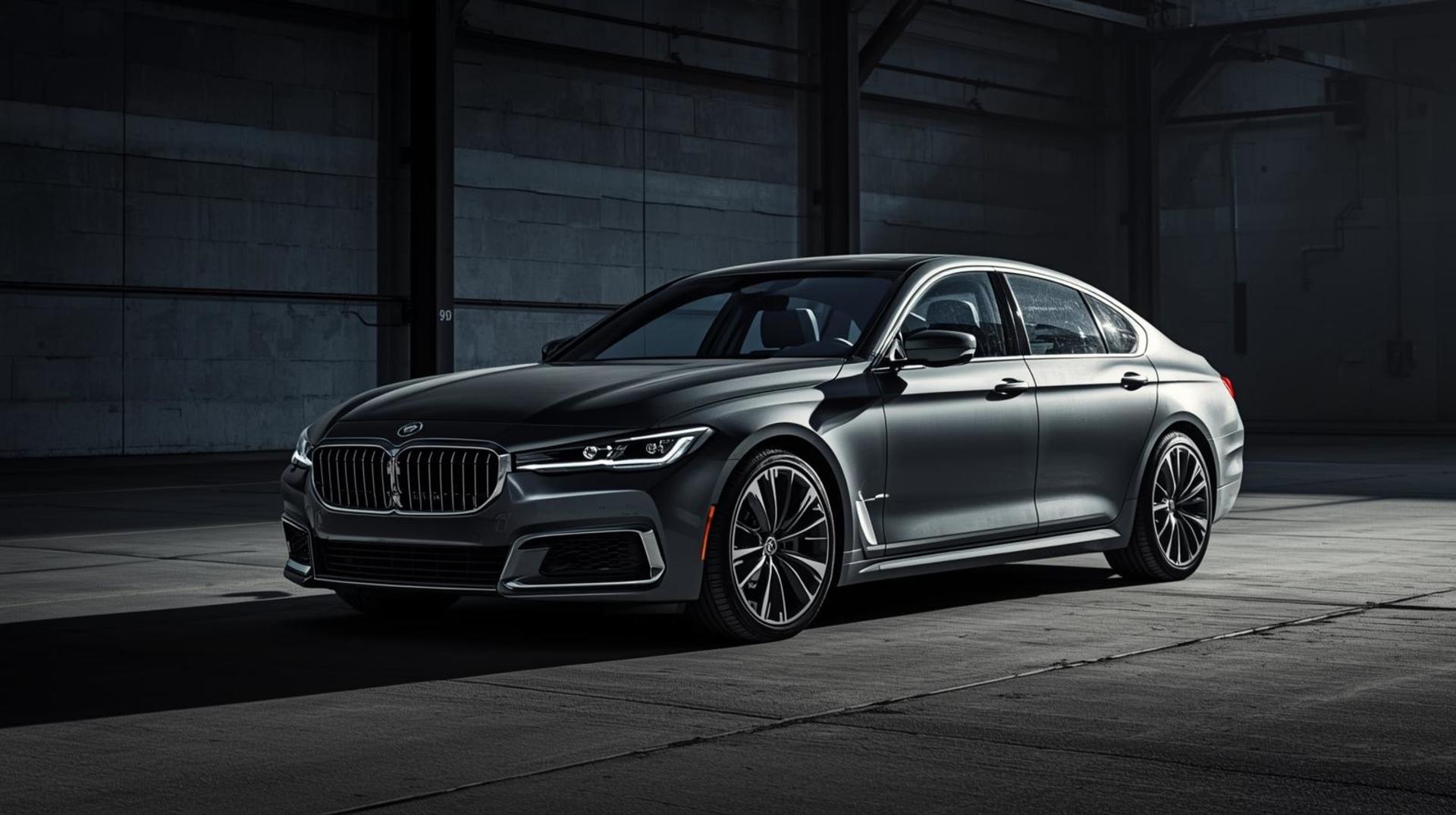
1. The Big "D": Depreciation
Depreciation is the single largest cost of owning a new car. On average, a new vehicle can lose 20–30% of its value within the first year alone. By year five, most cars are worth only about half of what they cost brand new.
- The Silver Lining: Depreciation slows down as the car gets older. This is why buying a 2 or 3 year old car from a dealer like Big Box Cars is often the smartest financial move. The previous owner has already "paid" for the steepest drop in value.
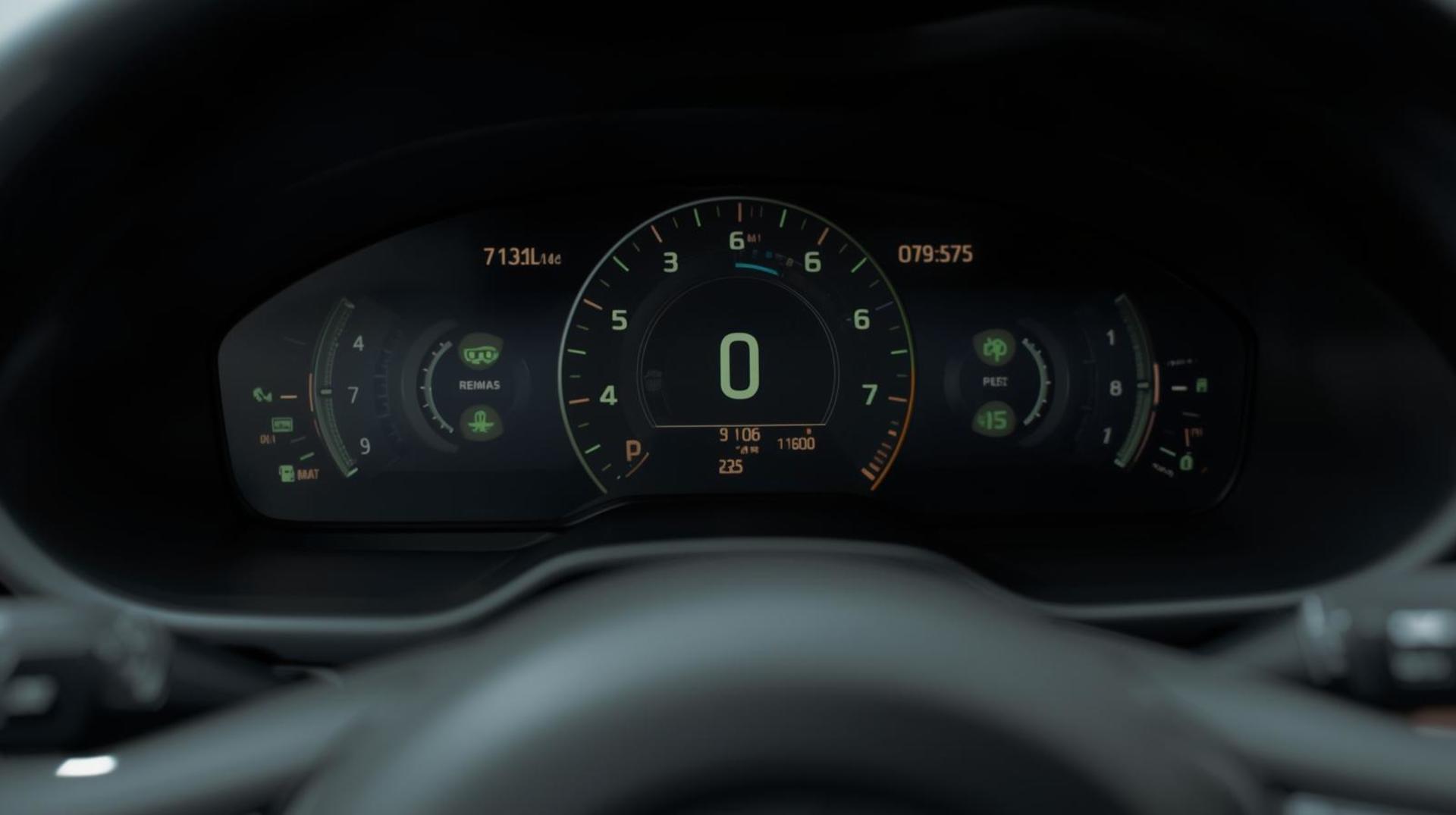
2. Odometer Readings (The Kilometre Count)
Mileage is often the first thing a buyer looks at. High kilometres suggest more wear and tear on the engine, transmission, and suspension.
- The Benchmark: In Australia, the average driver covers about 13,000 to 15,000km per year. If your car is significantly above this average for its age, expect its value to take a hit.
3. A Pristine Service History
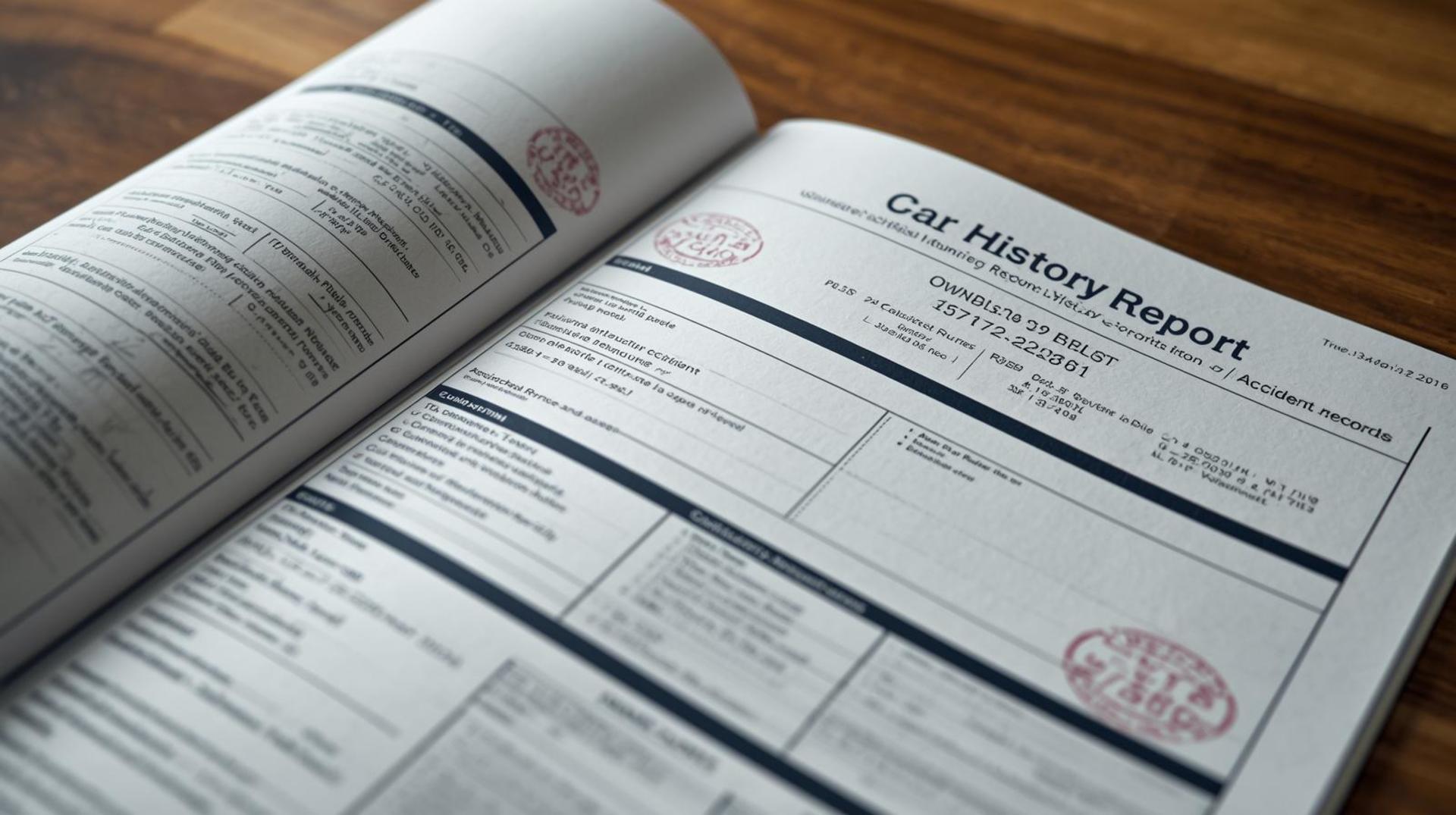
A car with a "full logbook service history" is gold in the used car market. It proves to the next owner that the car hasn't just been driven, but cared for.
- Big Box Tip: Keep every receipt. Even if you do minor repairs or buy new tyres, adding those to your records can increase your resale value by up to 10% compared to a car with no documentation.
4. Make, Model, and Reputation
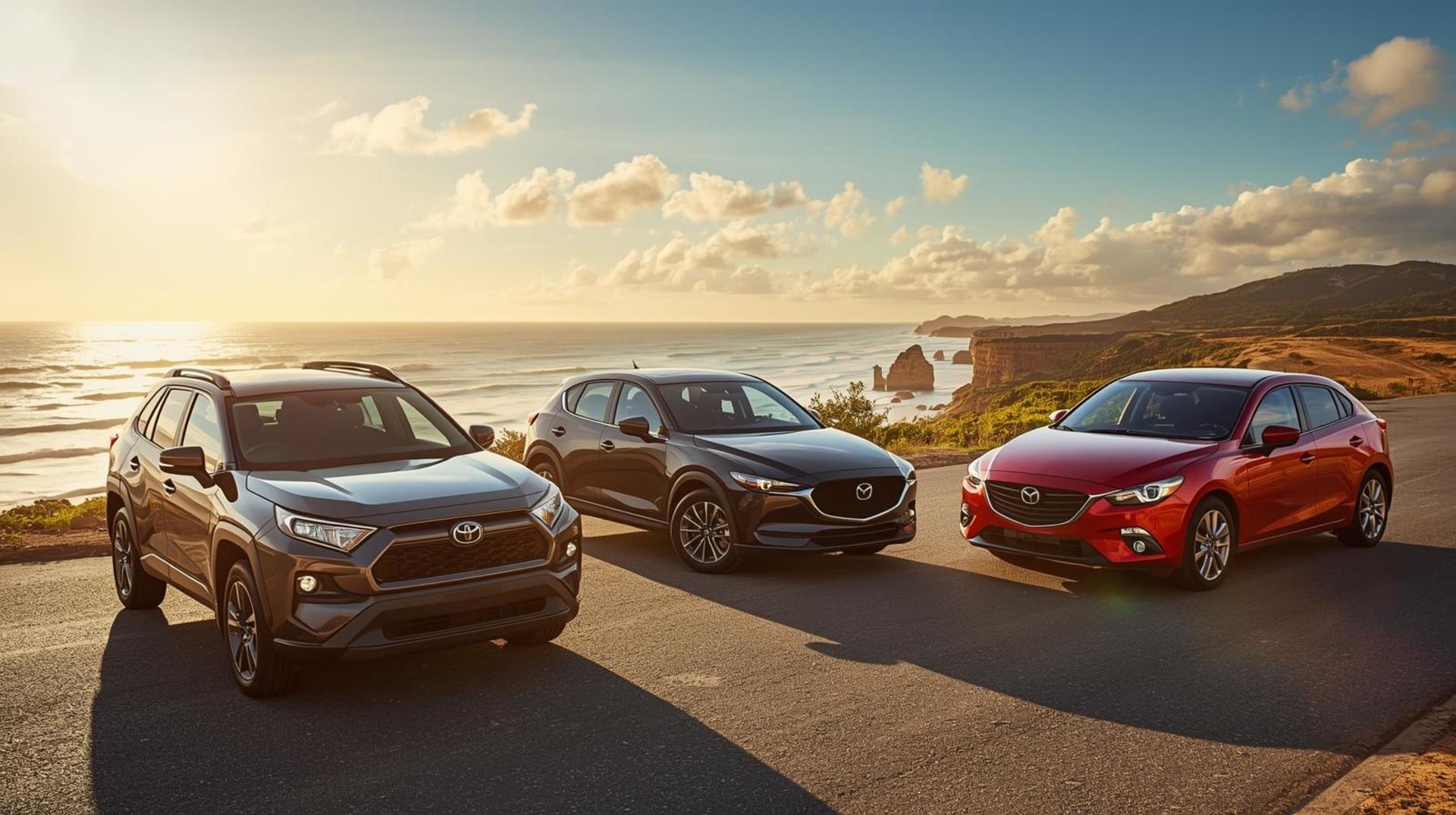
Not all cars are created equal when it comes to holding value. Brands known for "bulletproof" reliability (think Toyota, Mazda, and Honda) tend to retain their value much better than luxury brands that are expensive to maintain once out of warranty.
- Current Trends: In 2026, we are seeing a massive surge in the resale value of Hybrids and Fuel-Efficient SUVs as fuel prices remain a top concern for Aussie families.
5. First Impressions: Physical Condition
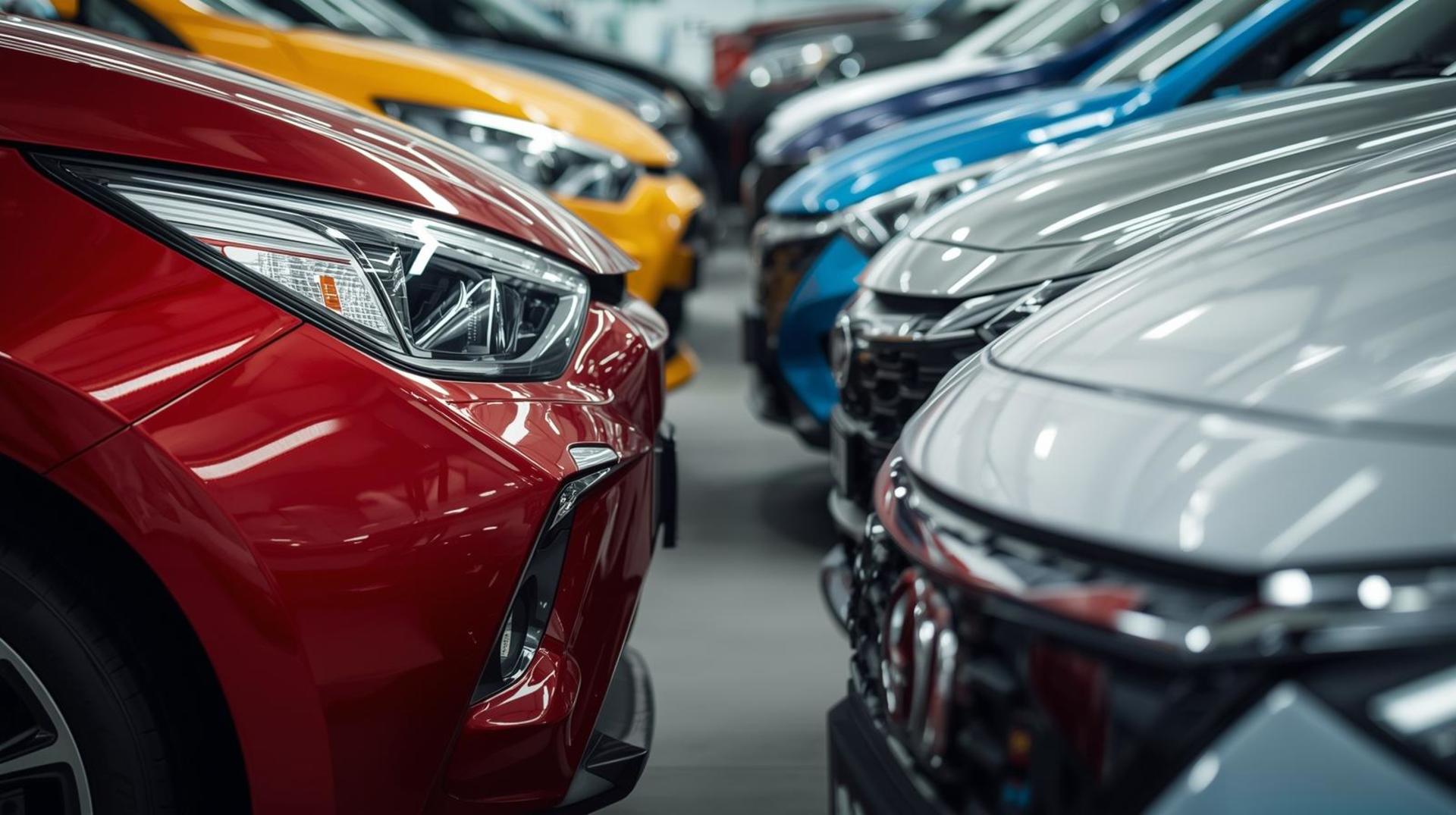
It’s not just about what’s under the hood. The "kerb appeal" of your car matters.
- The Exterior: Minor dents, "supermarket" door dings, and sun-faded paint (common in the Aussie sun!) can shave thousands off an appraisal.
- The Interior: Smoke odours, pet hair, or stained upholstery are major red flags for buyers. A professional detail before selling is almost always worth the investment.
6. Technology and Safety Features
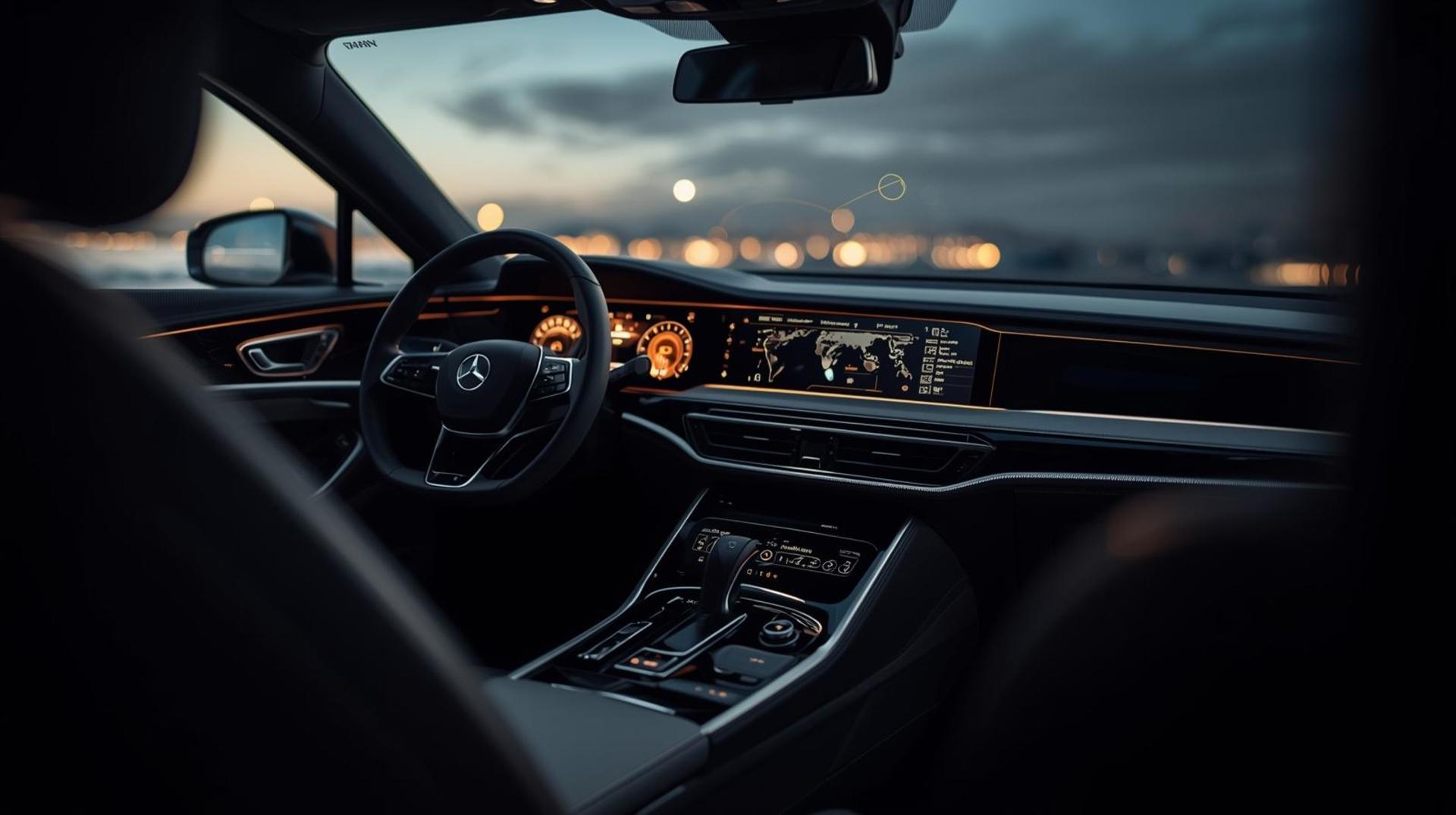
As we move further into 2026, technology moves even faster. Cars missing "must-have" features like Apple CarPlay/Android Auto, Autonomous Emergency Braking (AEB), or Reverse Cameras are depreciating faster than those equipped with them. Buyers today view safety and connectivity as essentials, not luxuries.
How much is your car worth today?
Knowing your car's value helps you plan your next move. Whether you’re looking to trade in or simply want an update on your car’s "health," our team is here to help.




Choose.Buy.Enjoy
A better way to buy and sell used cars.