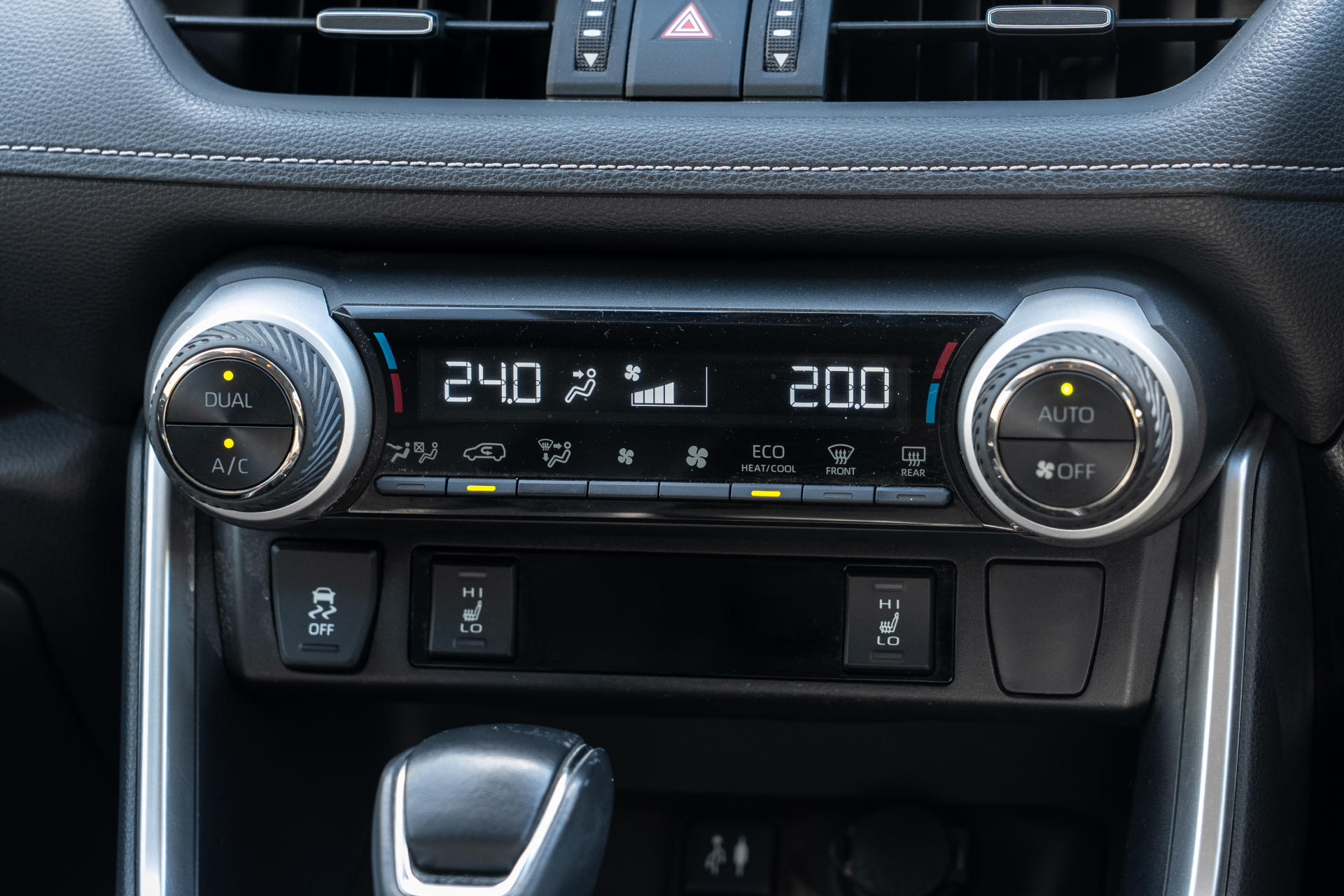
Air Conditioning vs Climate Control: What's the Difference?
Posted in Bigbox Motoring Advice
Published Thu May 07 2026
Air Conditioning vs Climate Control: What's the Difference?
When shopping for a car, you’ve probably heard terms like air conditioning, climate control, or multi-zone climate control. While they all help keep you comfortable on the road, they work a little differently.
Here’s a simple breakdown of what each system does and why it matters when choosing your next vehicle.
Standard Car Air Conditioning
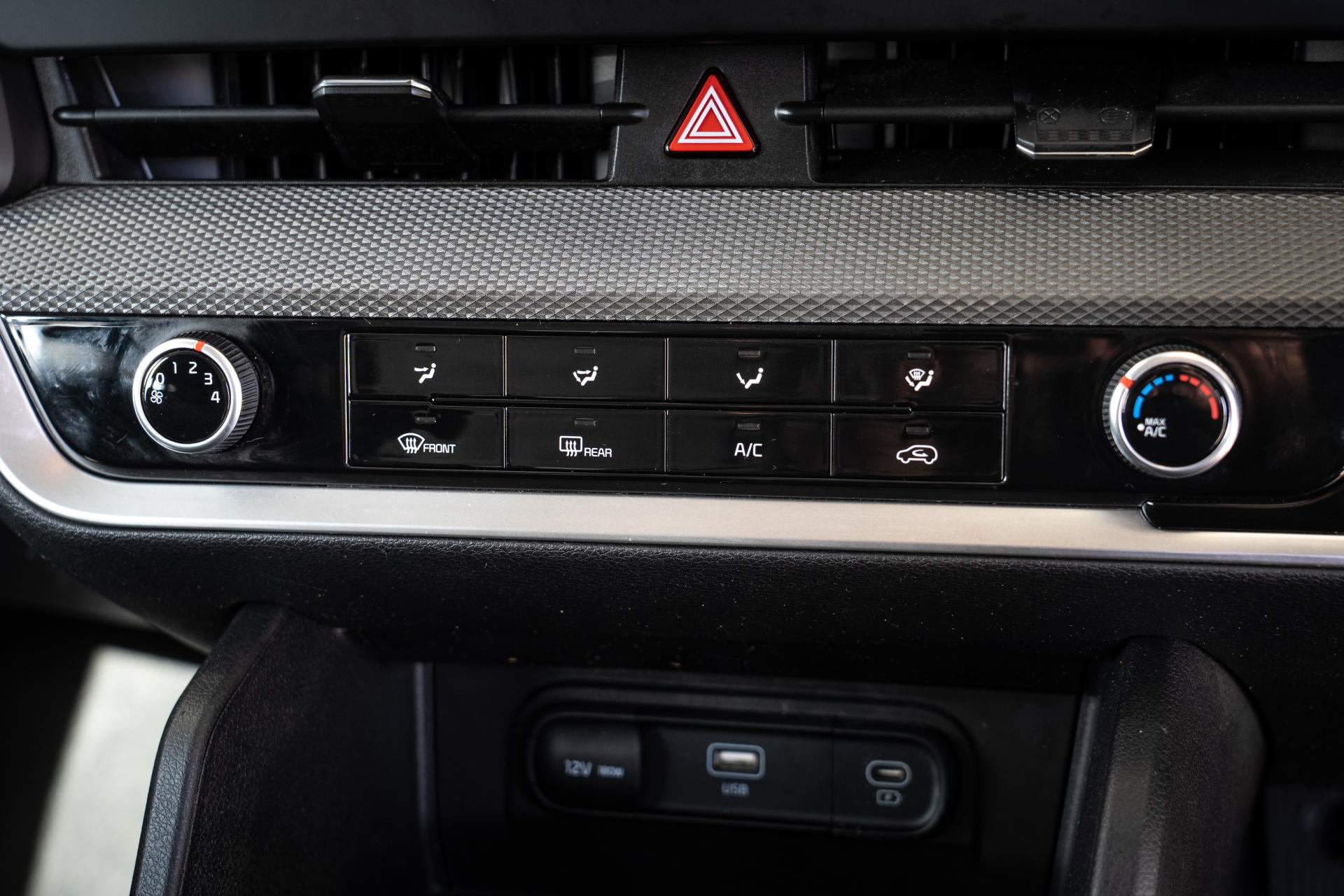
Traditional air conditioning systems are designed to cool the cabin by blowing cold air through the vents. These systems are usually controlled manually by the driver.
Common controls include:
- Fan speed
- Warm/Cool air temp dial
- Airflow direction
- Air conditioning on/off button
How it Works:
Air conditioning allows you to adjust the cabin temperature and control how strongly air is blown through the vents using the fan speed settings. Once the desired temperature is reached, the system will stop cooling. Some systems display exact temperature settings like 20°C, while others use a simple blue-to-red temperature scale on the dial.
Common in:
- Older vehicles
- Entry-level models
What is Climate Control?
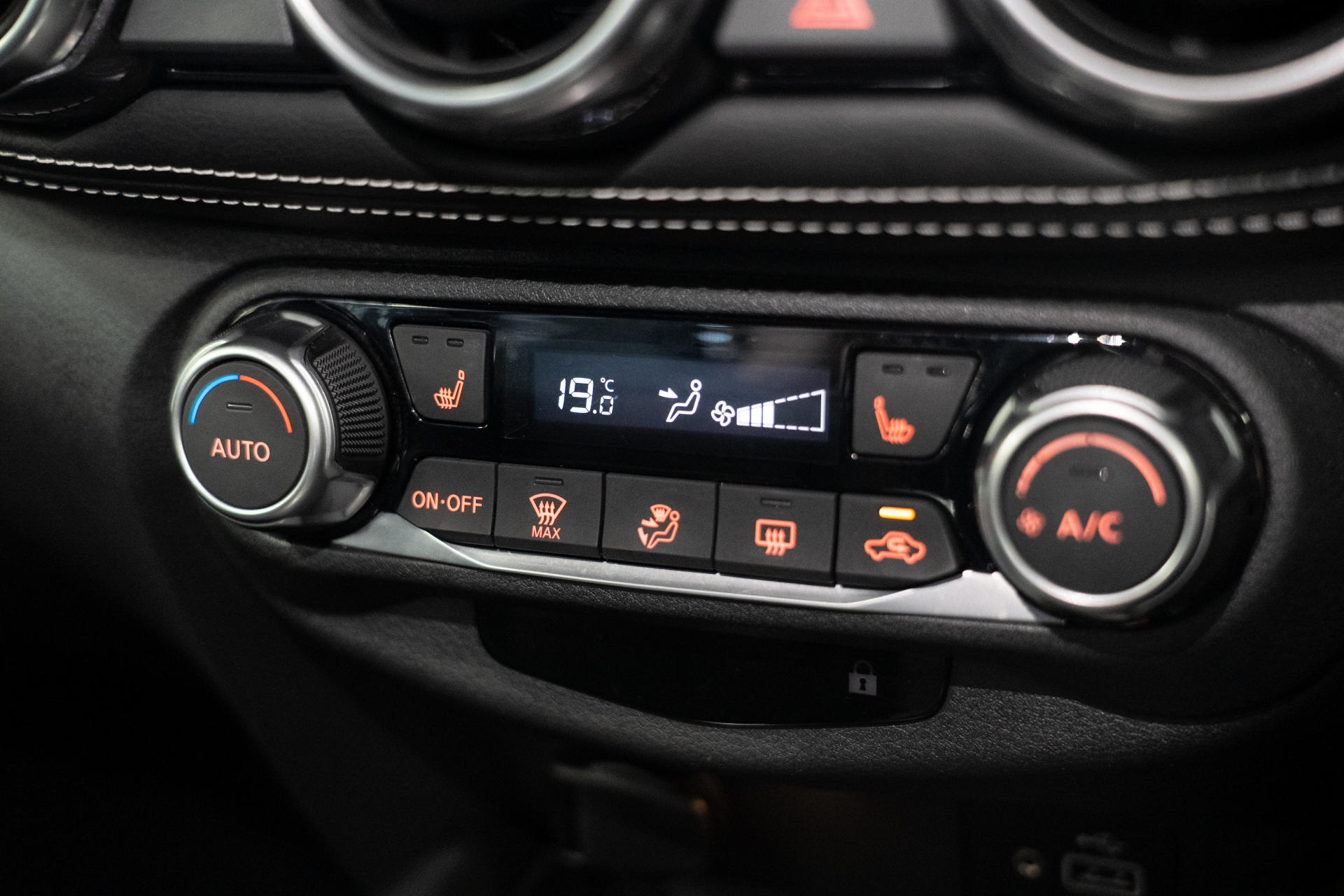
Climate control is a more advanced version of traditional air conditioning that automatically maintains your chosen cabin temperature. Instead of constantly adjusting the fan speed or temperature yourself, the system does the work for you.
Most climate control systems feature an “Auto” button, which is designed to fully automate the heating and cooling process. Once you select your preferred temperature and press Auto, the vehicle will automatically adjust:
- Fan speed
- Air temperature
- Airflow direction
- Air conditioning strength
For example, on a hot day the system may initially use a high fan speed with colder air to quickly cool the cabin. Once the desired temperature is reached, it will gradually reduce the fan speed and maintain a consistent temperature automatically.
Benefits of climate control:
- Consistent cabin comfort
- Less need for manual adjustments
- Better convenience during long drives
- Helps maintain comfort during changing weather conditions
In simple terms, climate control allows you to “set and forget” your preferred temperature while the car manages the rest.
What is Dual-Zone Climate Control?
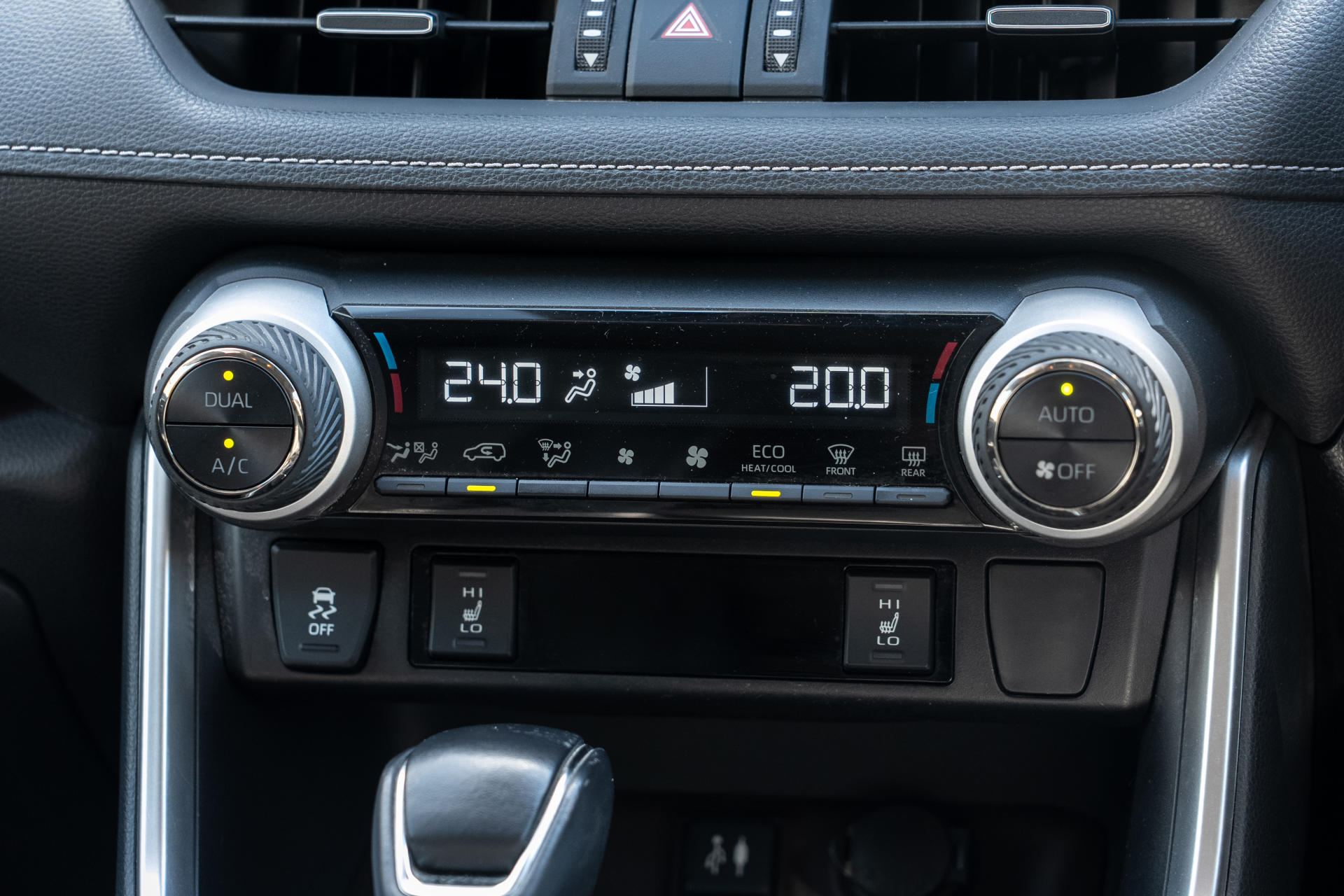
Dual-zone climate control allows the driver and front passenger to choose different temperatures at the same time.
Example:
- Driver prefers 20°C
- Front passenger prefers 24°C
The system creates separate temperature zones within the cabin to keep both occupants comfortable.
Why people love it:
- Stops arguments over cabin temperature
- Great for couples and families
- Adds a premium feel to the vehicle
Common in:
- Mid-range and luxury SUVs
- Modern sedans
- Higher-spec family vehicles
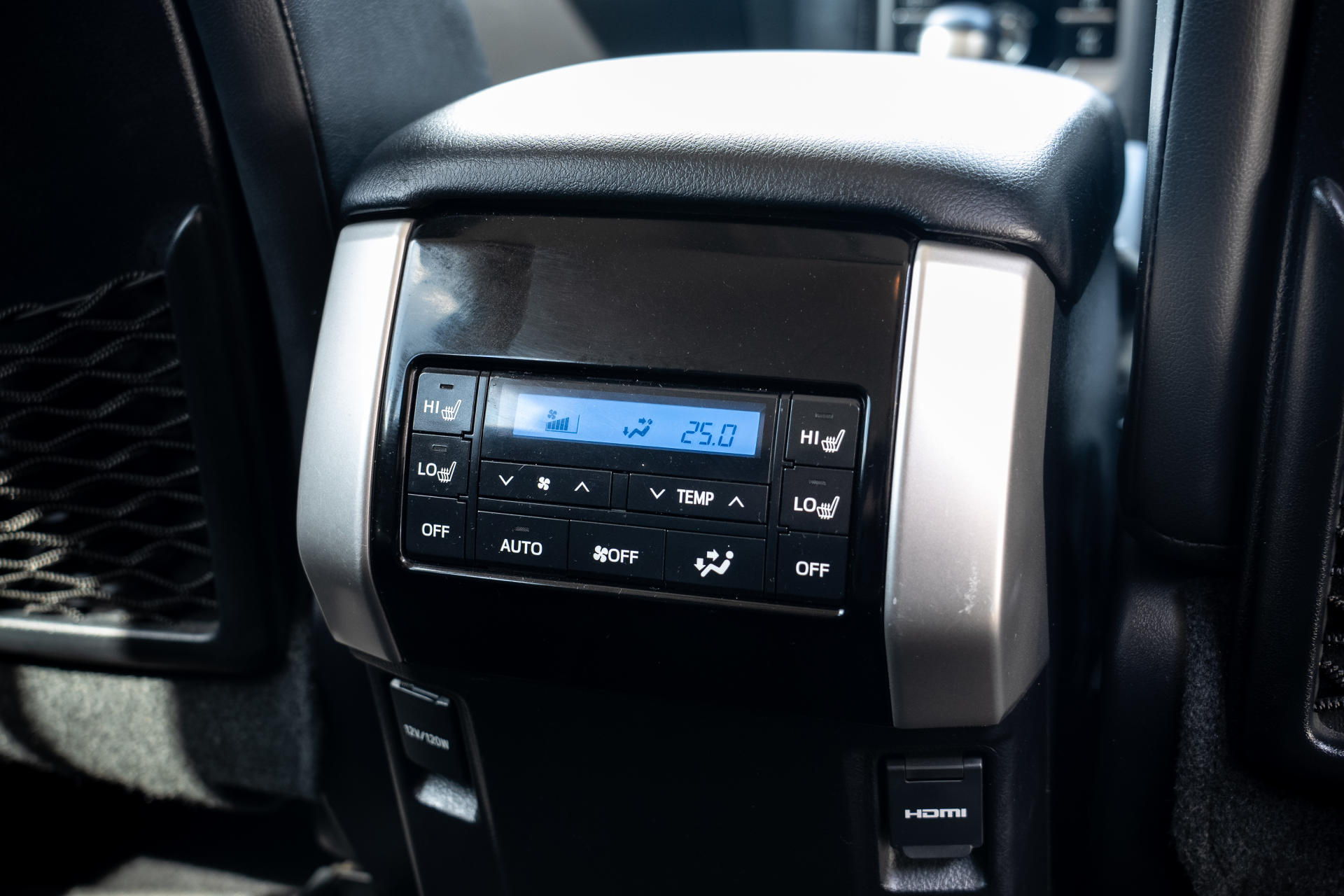
What is Tri-Zone Climate Control?
Tri-zone climate control takes things one step further by adding a separate climate zone for rear passengers.
How it works:
- Driver controls their own temperature
- Front passenger controls theirs
- Rear passengers get separate rear climate settings
Some vehicles even allow rear passengers to control their own fan speed and temperature using controls in the back of the centre console.
Benefits of tri-zone climate control:
- Better comfort for families
- Rear passengers can stay comfortable independently
- Ideal for long road trips
Common in:
- Larger SUVs
- Premium family vehicles
- Luxury cars
Some Vehicles Even Offer Four-Zone Climate Control
In higher-end luxury vehicles, you may also find four-zone climate control, where each passenger gets individual temperature settings.
This is commonly found in premium European vehicles and large luxury SUVs.
Is Climate Control Worth It?
For many drivers, absolutely. While standard air conditioning still gets the job done, climate control systems offer a more comfortable and convenient driving experience—especially in Australia’s changing weather conditions.
If you regularly drive with passengers or family members, dual-zone or tri-zone climate control can make a noticeable difference in day-to-day comfort.
Final Thoughts
Whether your vehicle has traditional air conditioning or advanced multi-zone climate control, both systems are designed to keep you comfortable behind the wheel. The key difference comes down to convenience, automation, and personalised comfort for passengers.
At Big Box Cars, we stock a wide range of vehicles featuring everything from simple air conditioning systems to premium dual-zone and tri-zone climate control setups. Browse our range online or visit us in person to find the perfect vehicle for your lifestyle.


Featured News






Choose.Buy.Enjoy
A better way to buy and sell used cars.